


Polyjacking vs. Mudjacking: Which Concrete Leveling Method is Best for Your Houston Property?
Updated: Jul 14

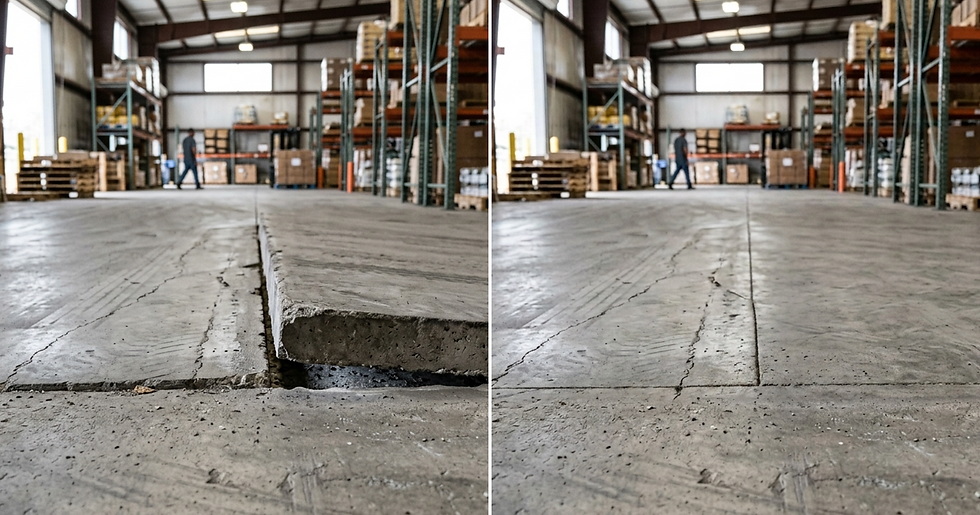
AI Generated Image, may not be an accurate representation of our product or service
Polyjacking vs. Mudjacking: Which Concrete Leveling Method is Best for Your Houston Property? When faced with uneven or sunken concrete slabs on your Houston property, you might wonder about the best repair method. The primary question often boils down to: What are the pros and cons of polyjacking vs mudjacking for concrete leveling in Houston? In short, while both polyjacking and mudjacking aim to raise and stabilize concrete, polyjacking, which uses high-density polyurethane foam, generally offers a more durable, less invasive, and faster solution for most residential and commercial applications in the Houston area, often at a more affordable cost than full concrete replacement. Understanding the differences between these two popular Concrete Leveling Services is crucial for making an informed decision. Let's dive into a detailed comparison to help you determine which method is right for your specific needs in Houston. Understanding Polyjacking: The Modern Solution Polyjacking, also known as polyurethane concrete raising, is a cutting-edge method for lifting and stabilizing sunken concrete. It involves drilling small, penny-sized holes (typically 5/8-inch) through the affected concrete slab. Through these holes, a two-part, high-density polyurethane foam is injected beneath the slab. The foam expands rapidly, filling voids, compacting loose soil, and gently lifting the concrete back to its original, level position. Once cured, the foam becomes incredibly strong, yet lightweight, providing long-lasting support. Pros of Polyjacking for Houston Properties: Minimal Disruption: The small injection holes are much less noticeable than the larger holes required for mudjacking, and the process is generally quieter and cleaner. Lightweight Material: Polyurethane foam is significantly lighter than traditional mudjacking slurry. This is a major advantage, as it adds minimal weight to the underlying soil, reducing the risk of future settlement, especially in Houston's often expansive clay soils. Durability and Longevity: The injected foam is waterproof, resistant to erosion, and won't break down over time. It also acts as a barrier against moisture, which is beneficial in our humid climate. This means a longer-lasting repair for your concrete. Fast Curing Time: Polyurethane foam cures very quickly, often allowing the repaired area to be used within minutes to hours, not days. This minimizes downtime for driveways, patios, and commercial spaces. Versatility: Polyjacking is effective for a wide range of applications, from sidewalks and driveways to pool decks and even Foundation Repair Houston for slab foundations. Pro Concrete Leveling of Houston utilizes this method for various concrete surfaces. Cost-Effective: Polyurethane foam injection for concrete leveling typically costs $4-$8 per square foot, which is significantly less than concrete replacement, which can range from $10-$20+ per square foot. Cons of Polyjacking: Material Cost: The polyurethane material itself can be more expensive per cubic foot than mudjacking slurry. However, its efficiency and long-term benefits often make it more cost-effective overall. Specialized Equipment: It requires specialized equipment and trained technicians, meaning it's not a DIY project. Understanding Mudjacking: The Traditional Approach Mudjacking, also known as slabjacking or concrete jacking, is an older, more traditional method of concrete leveling. It involves drilling larger holes (typically 1 to 2 inches in diameter) into the sunken concrete slab. A slurry mixture, usually consisting of cement, sand, soil, and water, is then pumped under pressure through these holes. This slurry fills voids and lifts the concrete slab back into place. Pros of Mudjacking: Lower Material Cost: The materials used in mudjacking (cement, sand, soil) are generally less expensive than polyurethane foam. Widely Available: As an older method, more contractors might offer mudjacking services, though not all specialize in it like Pro Concrete Leveling of Houston specializes in polyjacking. Cons of Mudjacking for Houston Properties: Heavier Material: The cement-based slurry is very heavy, adding significant weight to the underlying soil. In Houston's often unstable soil conditions, this added weight can contribute to future settlement. Larger, More Noticeable Holes: The larger drill holes required for mudjacking are more visible and can be harder to patch inconspicuously. Slower Curing Time: Mudjacking slurry can take 24-72 hours or even longer to fully cure and reach its maximum strength, leading to longer downtime for the repaired area. Susceptible to Erosion: The slurry is not waterproof and can erode over time due to water infiltration, potentially leading to future settlement issues. Less Precise Lifting: Due to the nature of the slurry, achieving a precise, controlled lift can be more challenging than with expanding foam. More Invasive: The process can be messier and more disruptive due to the nature of the slurry and larger equipment. Why Pro Concrete Leveling of Houston Recommends Polyjacking For most concrete leveling needs in the Houston area, Pro Concrete Leveling of Houston strongly recommends polyjacking. The benefits of durability, minimal disruption, speed, and long-term stability make it the superior choice, especially given our local soil and weather conditions. The advanced materials and techniques involved in Polyfoam Injection Concrete Raising & Leveling provide a solution that is not only effective but also environmentally friendly and long-lasting. Frequently Asked Questions About Concrete Leveling How long does polyjacking last? When performed correctly, polyjacking can last for many years, often exceeding the lifespan of mudjacking repairs. The polyurethane foam is inert, waterproof, and resistant to decomposition, offering a highly durable solution. Is polyjacking safe for the environment? Yes, the polyurethane foam used in polyjacking is typically made from recycled materials and is inert once cured, meaning it won't leach harmful chemicals into the soil or groundwater. It's considered an environmentally responsible choice for concrete repair. Can polyjacking fix severely sunken concrete? Polyjacking is highly effective for most cases of sunken or settled concrete. However, extremely damaged or structurally compromised slabs might require alternative solutions. An inspection by Pro Concrete Leveling of Houston can determine the best course of action for your specific situation. What types of concrete can be leveled with polyjacking? Polyjacking is incredibly versatile. It can be used to level and stabilize concrete sidewalks, driveways, patios, pool decks, garage floors, interior slab foundations, commercial warehouse floors, and more. If it's a concrete slab on grade, chances are polyjacking can help. Ready to Level Your Houston Concrete? Don't let uneven concrete detract from your property's safety or curb appeal. If you're in Houston or the surrounding areas like Spring, The Woodlands, Katy, or Pearland, and are dealing with sunken concrete, Pro Concrete Leveling of Houston is here to help. Our expert team specializes in advanced polyjacking techniques, providing efficient, durable, and cost-effective solutions. Contact Pro Concrete Leveling of Houston today for a free consultation and discover how we can restore your concrete surfaces to their original, level condition. Call us or visit our website to schedule your assessment!


Comments